20 Excellent Ideas For Choosing Anti-Termite Control Services In Jakarta
Wiki Article
Post-Construction Termite Barricades In Jakarta
Most Jakarta homeowners believe that you must install termite fences before pouring the concrete or building the walls. It is costly to hold this view. The assumption is that property owners only have one choice after the slab is cast: chemical trenching, which involves repeated applications of termicides that can degrade in Jakarta's alkaline and humid soil. This assumption has been rendered obsolete due to the development of retrofit barrier systems. They are installed using perimeter excavations that mechanically attach to existing foundations. Post-construction barriers are a great way to safeguard the area prior to construction. They are different technologies with different performance characteristics. Jakarta anti-termite services that cannot offer both are locked out of the fastest-growing sector of the pest control market in urban areas.
1. There are barriers to retrofitting, and they are present
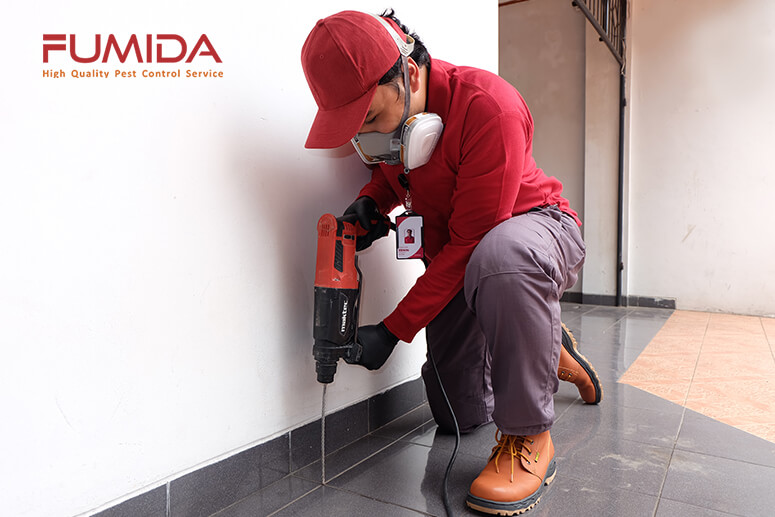
Installing a slow-release Termiticide Membrane, stainless steel mesh or bonded sand may be accomplished against foundations already in place. The process requires perimeter excavation and soil removal, barrier placement and mechanical fixing to the foundation wall. This is disruptive, costly permanent, and a long-term solution. Jakarta exterminators who inform clients that the only option is annual injections of liquid are not presenting the technology available.
2. Liquid Barriers Degrade; Physical Barriers Do Not
In Jakarta the rate of hydrolysis is quicker for termiticides put on the soil. Intense rainfall, high temperatures and alkaline pH in the wet months reduces the half-life of active ingredient by months. Physical barriers like mesh, sheets, or graded stones will not diminish in value. The exclusion rate remains the same in year 10 like it was in year 1. For clients who are willing to pay for permanent, chemical barriers are actuarially less effective.
3. Moisture suppression is the unadvertised benefit
Barriers made of polymer are designed to both exclude termites, as well as stop capillary moisture from transferring into the masonry. Drier foundations mean drier timber. Dryer timber is also unnoticeable. Termites are not able to attack anything they can't detect. Anti-termite companies that offer physical retrofits sell two interventions at the same time for a single price.
4. Partial Perimeter Is Not a Barrier
Jakarta's density of urbanization - such as party walls, adjacent structures and roads that are paved - make the digging around the perimeter difficult. Services that provide partial installations for "barriers" misrepresent the subterranean bypass. Termites are able to traverse around exposed edges. The correct term is "partial circumference intervention" with documented areas of exclusion. The homeowners should be informed of what gaps remain unprotected.
5. Bekasi Adoption Signal
Physical retrofits have already been introduced to the Jakarta extended metropolitan region. Greenfield construction pioneers aren't located in Menteng or Kebayoran. They are located in Bekasi. Jakarta exterminators monitoring only central Jakarta tenders may miss the trend. Physical barrier adoption starts in secondary towns and migrates towards the north.
6. The Architect Specification overrides Substitution of Contractor
Emporio Architect et autres firms semblables now specify barriers for renovation documents. Anti-termite services are in the position of contractor within this value chain. they are not able to control the specifics. Pest control companies have to reorient their sales efforts from homeowners to architectural firms and structural engineers. Transaction economics is the selling of an owner of a retrofit property. Annuity economics is one way to get specified in an architect’s master specification.
7. The Curve of Additive Depletion Favors Infused Chemistry
Liquid termiticides are deposited on the surface of the soil and start to degrade as soon as they reach the soil. Polymer sheet barrier additives are infused into the matrix of the material during production. Depletion is visible only near the exposed edges, and is accompanied by an exponential curve of diffusion. The warranties for physical barriers may be justifiable actuarially. Liquid barriers that have five-year warranties are speculation.
8. It is the ease of access to excavation that determines the feasibility.
Budget is not the only restriction on post-construction barrier installation. The other factor is access to buckets. Mini-excavators require approximately sixty centimeters of clear working space adjacent to the foundation. Geometrically excluded are homes with zero lot-line constructions. Shared driveways and hardscapes which are built next to walls. Before quoting and not when mobilizing, antitermite services must conduct an access audit.
9. ESG Reporting is the catalyst for Commercial Demand
Multinational tenants, green building certification applicants and Indonesian corporations that have sustainability goals now track embedded carbon emissions. The CO2 emissions from the broadcast spraying of liquids termiticides are recorded. Physical barrier installation--one-time excavation, mechanical fastening, zero recurrent chemical application--qualifies as emissions reduction. Jakarta exterminators that serve corporate clients are required to reveal the carbon equivalent, or they will lose out on bids.
10. Retrofit Barriers Require Different Warranties
Pre-construction barriers are guaranteed against termite penetration of the plane of the barrier. Post-construction barriers cannot offer this assurance because the barrier does not enclose the structure; it is a barrier that covers the accessible part of the perimeter. The guarantee is "exclusions from treated zones" rather than "protection to entire structure." Oversold protection is a common misconception among homeowners. Exterminators with detailed documentation of the installation in the home and the remaining vulnerable items can resolve more claims disputes and keep more customers.
The article's conclusion is:
The post-construction termite barrier that is in Jakarta is located at the intersection of 3 converging trends: documented degradation rates for soil-applied pesticides in tropical cities, architect-led specification and demand of permanent physical systems as well as corporate demands for pest control solutions that conform to carbon accounting frameworks. Anti-termite programs that continue to frame post-construction protection as trenching using chemicals aren't safeguarding market share, they are securing obsolescence. The equipment required--mini-excavators, core drills, mechanical fasteners--is capital-intensive but one-time. The training required--analysis of soil, access auditing, and warranty documentationis intensive but transferable. Bekasi was the first to observe the elimination of obstacles. It is expected to arrive in Jakarta proper within twenty-four months. Exterminators who wait for client demand to be realized before they can acquire capabilities will be two years ahead of early adopters, competing on price against established physical barrier contractors who have references and architect connections. It's not a matter of whether or not it is a good idea to retrofit barriers. This decision will determine whether we are leading or following this market. Check out the recommended jasa pembasmi rayap for more recommendations including rumah rayap, kayu yg tidak dimakan rayap, jasa anti rayap tangerang, anti rayap kayu, perusahaan pest control, rumah rayap, cara membasmi rayap kayu, lemari anti rayap, kayu tahan rayap, anti rayap untuk kayu and more.
Greater Jakarta Soil Treatment Protocols To Treat Termites
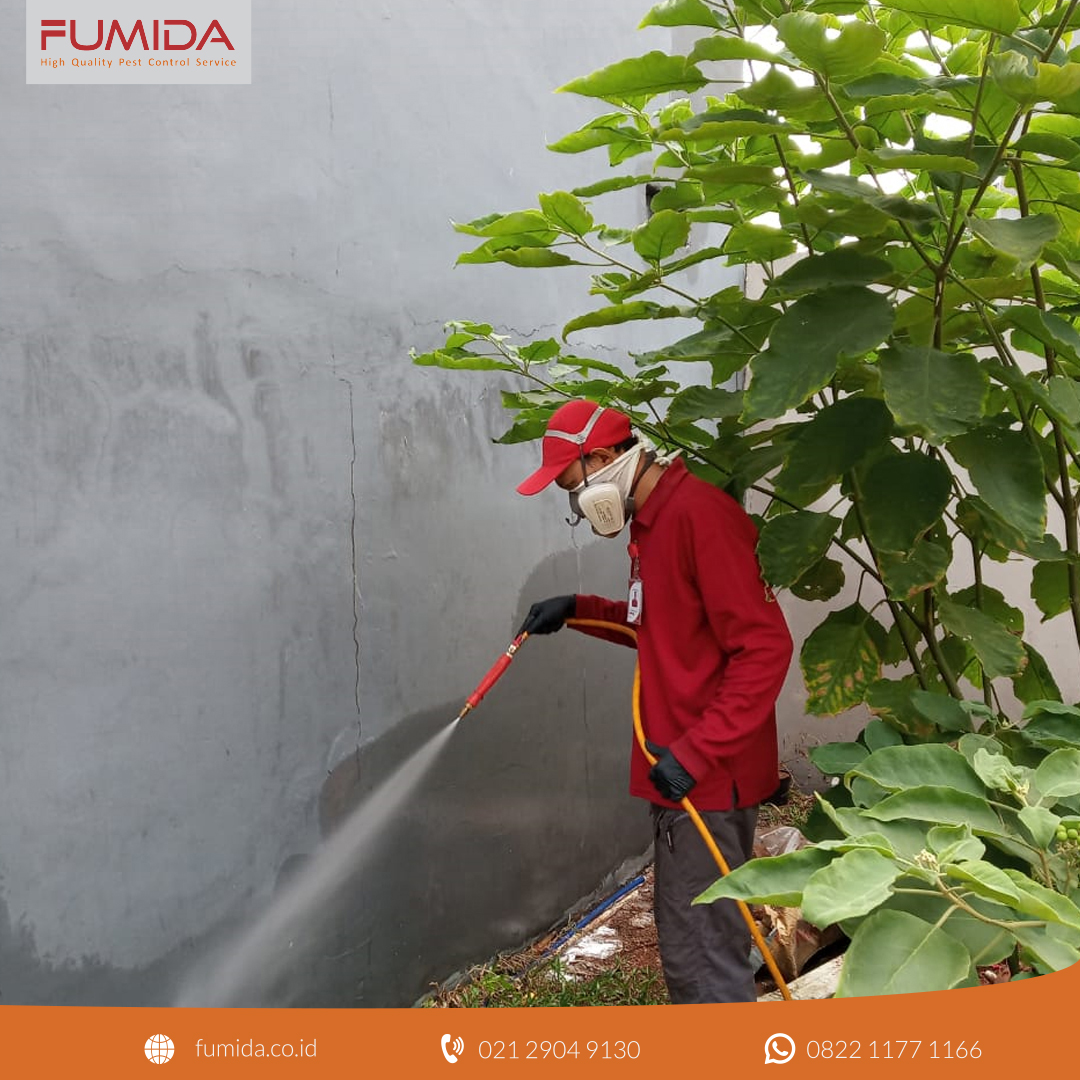
The trench is dug. Place the rod. The chemical is injectable. The technician moves 60 centimeters in a row and repeats. The ritual is used by exterminators and homeowners alike many times a year in Greater Jakarta. It isn't. This is a conventional method. In warmer climates, soil treatments for subterranean species began with a variety of soil types, moisture regimes, or even species that are targeted. The traditional trench-and -drench method yields results that range from temporary suppression to complete failure when it's transplanted to Jakarta's silty-compacted clay, monsoon rain and Coptotermes Gestroi's foraging behavior. Greater Jakarta requires soil treatment procedures that are calibrated to Greater Jakarta's specific conditions. Ten aspects define chemical treatment that only produces invoice lines, as well as termite exclusion.
1. The texture of the soil is a determinant for chemical mobility
The urban area of Jakarta is largely made up of clay silty. The size of particles is tiny. Organic content is minimal. Porosity is not too high. The termiticides in liquid form do not disperse radially as they do on loamy sands. They gather in trenches, and then move to the most preferred pathways, cracks roots channels, or utility trenches. Exterminators who assume a the same distribution of their products are naive. Validation of post-applications requires soil samples, not blind trust.
2. The placement is determined by the 300-500mm damp belt
The soil directly close to the wall of foundation is shielded from the roof's eaves. It gets only a little rain. It stays drier compared to the open-air garden soil. Termites are active in the area between 300 and 500 millimeters away from the structure. This distance permits them to reach the foundation but they don't receive any water. Treatment of soil applied flush to the wall does not reach this area. If you follow the correct methods, the trench is constructed at or beneath the dripline.
3. Half-life of hydrolysis is measured in weeks, not months
Fipronil imidacloprid, bifenthrin and Fi degraded via hydrolysis. Temperature can increase the rate of hydration. Jakarta soil temperatures range from 28 to 32 degrees Celsius on average when digging to a shallow depth. Soil moisture exceeds 20% for most of the wet season. Chemical half-lifes are affected by this. Bekasi is four months from Ohio in which a product with a twelve-month declared efficacy is still in efficiency. Warranties must be able to reflect this. Most do not.
4. Vertical Barrier Requires Horizontal Destructive Action
Termites enter soils and foundations through the contact. Treatment of soil only forms the vertical barrier to chemical if chemical is present on the surface. When injecting rods from the surface, it creates chemical barriers at depth however, the top five to ten centimeters untreated unless the rods are withdrawn gradually as they inject. Exterminators who punch rods up to the depth of their insertion and then remove them instantly treat subsoil, leaving topsoil unprotected.
5. C-Organic Content Binds, and Deactivates
Organic matter found in soil adsorbs termiticides that aren't repellent, which reduces the concentration of termiticides accessible to termites. Jakarta's urban soils are generally low in organic carbon, but landscape planting beds adjacent to foundations are usually altered by potting mix and compost. The treatment of soil in these zones will require higher rates of application to counteract organic binding. The rates stated on standard labels assume that the mineral is unamended. sand.
6. Pre-treatment Moisture Audits Are Non-Negotiable
The amount of water in the soil is greater than 22% and creates an ideal habitat. Soil water content below 10% inhibits foraging and reduces chemical pickup. Pesticides who don't take measurements of the soil's moisture level and inject terminicides use chemicals under undefined conditions. The moisture meter costs two hundred thousand dollars. The first retreatment because of inadequate conditions for application costs ten times more.
7. The volume of the trench should be identical to the label rate, not the linear meter.
Indonesian soil treatment quotations generally are quoted per foundation linear meters. Label instructions define the volume and concentration per area or per linear meter, based on the specified dimensions for the trench. Pest control companies that offer per meter before checking the depth and width of trenches are actually selling conformity documentation, not treatment. The quantity of chemicals required for an excavation of 15cmx15cm is half that for a deeper excavation of 30cmx30cm. This is seldom seen in the price variation.
8. Rodding vs Trenching: Specific Selection of Species
Coptotermes gestroi forages through the upper 15-20cm of soil. Microtermes accesses moisture in dry times by using vertical shafts foraging deeper. Rod injection deposits chemical at depth, intercepting Microtermes. Mixing and trenching chemical in the upper part of the profile will stop the Coptotermes. Species identification must precede protocol selection. Exterminators who use the same soil treatment technique for each account will be mismatched with Jakarta's diversity of species about half the time.
9. Re-treatment Intervals Are Shorter Than Marketing Claims
The Indonesian pest control market is competitive. Warranty periods have inflated as a sales tactic. Three-year warranties on soil treatment are typical. The soil conditions in Jakarta support a twelve- to eighteen-month period of exclusion. This is followed by gradual depletion of the chemical, as well as edge penetration. Termites breaking through in the month 22 isn't an uncommon event. Homeowners are following their plan. Exterminators who accept warranty claims during month twenty-two without disputing the validity of their coverage will keep customers. The ones who fight lose clients.
10. The best way to ensure the quality of soil is to test it after treatment.
The exterminator states that the trench was dug in the correct depth The chemical was mixed in the proper concentration, and the injection was performed at the right pressure and distribution was uniform. The homeowner does not have any way to verify. Verification can be done by using soil cores which have been analyzed to determine the concentration of active ingredients. This service is readily available. It's affordable. Jakarta anti-termite companies that order soil samples from a third party and share their results with customers are differentiating themselves by proving. Services that don't take soil samples differ on their faith. The market is increasingly looking for proof.
The final sentence of the article is:
Not just because they're designed for Greater Jakarta conditions, but due to their familiarity. It is not the case that familiarity can be effective. The city's compacted silty clay needs larger trench volumes than loamy soils to get the same chemical distribution. Due to the monsoon climate that causes hydrolysis, its timelines are compressed. This requires shorter warranty times and more frequent retreatment cycles. The species assemblage requires protocol distinction based on pre-treatment identification. The landscape planting beds will need an increase in organic carbon levels as well as adjustments to the bed. Its foundation geometries require trench placement on the dripline, not the wall. Jakarta antitermite services who continue to apply soil treatments based on the manufacturer's labels written for Ohio or Texas, or Osaka and Osaka, are assured of poor results. The companies cannot be held responsible for the results that are not optimal. Instead, the pest control company is responsible if he does not adapt the method to meet the local climate. A significant investment in soil moisture meters and core samplers are required to adapt. Analytical laboratory connections are also required and technicians need training on species identification. In a mature marketplace, these investments will not be a choice. Entry fees are required for credibility reasons. Homeowners within Greater Jakarta can differentiate between exterminators who pay this fee and those who pay it in other ways. They show this distinction by accepting more expensive propositions from the former, and declining lower proposals from the latter. Check out the recommended anti rayap jakarta for more info including anti rayap terbaik, kayu anti rayap, jasa rayap, anti rayap, cara basmi rayap kayu, rayap kayu, rayap rumah, jasa basmi hama, pest control jakarta selatan, kayu tahan rayap and more.